
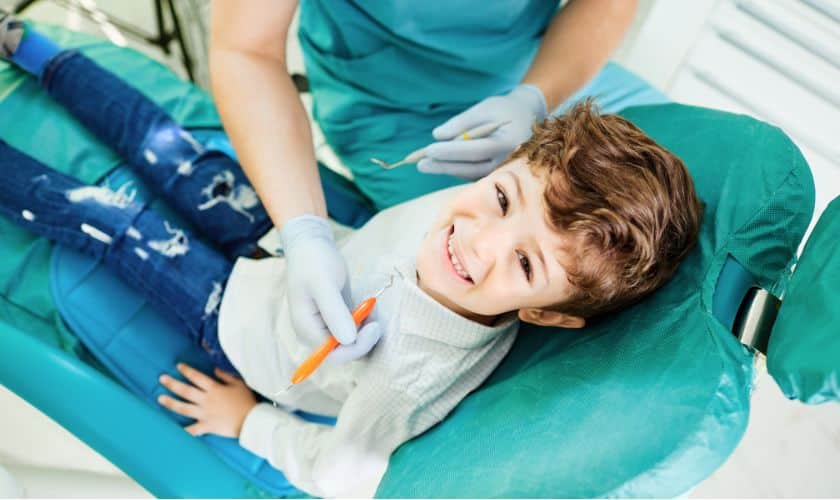
Orthodontic treatment for children has become increasingly common in recent years, with more parents recognizing the importance of early intervention to address dental issues. While braces might be associated with teenagers, orthodontic treatment for kids has its own set of benefits and considerations. In this blog post, we’ll explore the types of orthodontic treatment available for children and the advantages they offer.
Types of Orthodontic Treatment for Kids
- Traditional Braces: Traditional metal braces consist of metal brackets bonded to the teeth and connected by wires. They are highly effective in correcting a wide range of dental issues such as crooked teeth, crowded teeth, and bite misalignment. While they may not be the most aesthetically pleasing option, advancements in orthodontics have made them more comfortable and less noticeable than before.
- Ceramic Braces: Ceramic braces function similarly to traditional metal braces but use tooth-colored or clear ceramic brackets that blend in with the teeth. This makes them a more aesthetically appealing option for children who may feel self-conscious about wearing braces. Ceramic braces are suitable for addressing various dental issues and are especially popular among older children and teenagers.
- Lingual Braces: Lingual braces are similar to traditional braces but are placed on the back surface of the teeth, making them virtually invisible from the outside. This makes them an attractive option for children who want to straighten their teeth discreetly. However, lingual braces may be more challenging to clean and adjust compared to other types of braces.
- Invisalign: Invisalign is a popular alternative to traditional braces, especially for older children and teenagers. It involves using a series of clear, removable aligners to gradually move the teeth into the desired position. Invisalign aligners are virtually invisible and can be removed for eating, brushing, and flossing, offering greater convenience and flexibility compared to traditional braces.
Benefits of Orthodontic Treatment for Kids
- Improved Oral Health: Orthodontic treatment can correct misaligned teeth and bite issues, reducing the risk of dental problems such as tooth decay, gum disease, and abnormal wear and tear on the teeth. Straighter teeth are also easier to clean, promoting better oral hygiene habits in children.
- Enhanced Self-Confidence: Crooked or misaligned teeth can have a significant impact on a child’s self-esteem and confidence. Orthodontic treatment can improve the appearance of the smile, leading to increased self-confidence and a more positive self-image.
- Prevention of Future Problems: Addressing orthodontic issues early in childhood can prevent more serious dental problems from developing later in life. By guiding the growth and development of the teeth and jaws, orthodontic treatment can reduce the need for more invasive procedures in the future.
- Improved Functionality: Properly aligned teeth and jaws improve the overall functionality of the mouth, making it easier for children to bite, chew, and speak properly. This can have a positive impact on their overall quality of life and social interactions.
- Long-Term Cost Savings: Investing in orthodontic treatment for children can lead to long-term cost savings by preventing the need for more extensive dental procedures later in life. Additionally, many orthodontic issues are easier and less expensive to correct during childhood when the jaw is still growing and developing.
In conclusion, orthodontic treatment for kids offers numerous benefits beyond just achieving a straighter smile. By addressing dental issues early, children can enjoy improved oral health, enhanced self-confidence, and a better quality of life. With various types of orthodontic treatment available, parents can work with their child’s orthodontist to choose the option that best meets their needs and preferences. Investing in your child’s smile today can lead to a lifetime of healthy, happy smiles tomorrow.