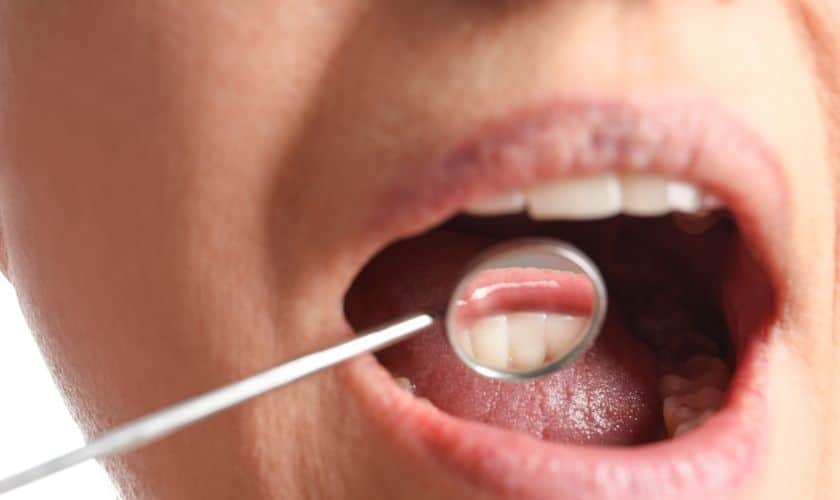
Oral cancer, though not always in the limelight of public health discussions, is a significant concern that demands attention. This form of cancer affects millions worldwide and can have devastating consequences if not detected and treated early. In this blog post, we’ll delve into the risks and symptoms associated with oral cancer, shedding light on this often overlooked but critical health issue.
Understanding Oral Cancer
Oral cancer refers to any cancerous tissue growth located in the oral cavity, including the lips, tongue, gums, inner lining of the cheeks, roof, and floor of the mouth. It can manifest as squamous cell carcinoma, which develops from the thin, flat cells lining the lips and oral cavity.
The Risks
Several factors can increase the risk of developing oral cancer:
- Tobacco Use: Smoking tobacco, whether in the form of cigarettes, cigars, or pipes, greatly increases the risk of developing oral cancer. Chewing tobacco or using snuff also heightens the risk.
- Alcohol Consumption: Heavy alcohol consumption is strongly linked to oral cancer. When combined with tobacco use, the risk escalates significantly.
- Human Papillomavirus (HPV) Infection: Certain strains of HPV, particularly HPV-16, have been associated with an increased risk of oral cancer.
- Poor Oral Hygiene: Neglecting oral hygiene can lead to chronic irritation and inflammation of the oral tissues, potentially increasing the risk of cancer development.
- Sun Exposure: Prolonged exposure to sunlight can increase the risk of lip cancer, especially for individuals with fair skin.
- Age and Gender: Oral cancer is more prevalent in older adults, particularly those over the age of 55. Men are also at a higher risk compared to women.
- Poor Diet: A diet lacking in fruits and vegetables may contribute to an increased risk of oral cancer.
Recognizing the Symptoms
Early detection is crucial for successful treatment of oral cancer. Being aware of the following symptoms can aid in prompt diagnosis:
- Persistent Mouth Sores: Sores that do not heal within two weeks can be indicative of oral cancer.
- Red or White Patches: Any abnormal patches or lesions in the mouth, whether red or white, should be evaluated by a healthcare professional.
- Unexplained Bleeding: Bleeding in the mouth without any apparent cause should be investigated promptly.
- Difficulty Swallowing or Chewing: Difficulty in swallowing or chewing, along with persistent hoarseness or sore throat, may be signs of oral cancer.
- Lump or Thickening: A lump, thickening, or rough spot in the oral tissues or throat could signal cancerous growth.
- Persistent Sore Throat or Ear Pain: Chronic sore throat or ear pain, particularly on one side, should not be ignored.
- Changes in Voice: Hoarseness or other changes in voice that persist for more than two weeks should be evaluated.
Conclusion
Oral cancer is a serious and potentially life-threatening condition, but it can be treated successfully if detected early. Understanding the risks associated with oral cancer and recognizing its symptoms are crucial steps in promoting early diagnosis and improving outcomes. Regular dental check-ups and self-examination of the oral cavity can help in the early detection of any abnormalities. By shining a light on oral cancer and raising awareness about its risks and symptoms, we can empower individuals to take proactive steps towards oral health and overall well-being.