
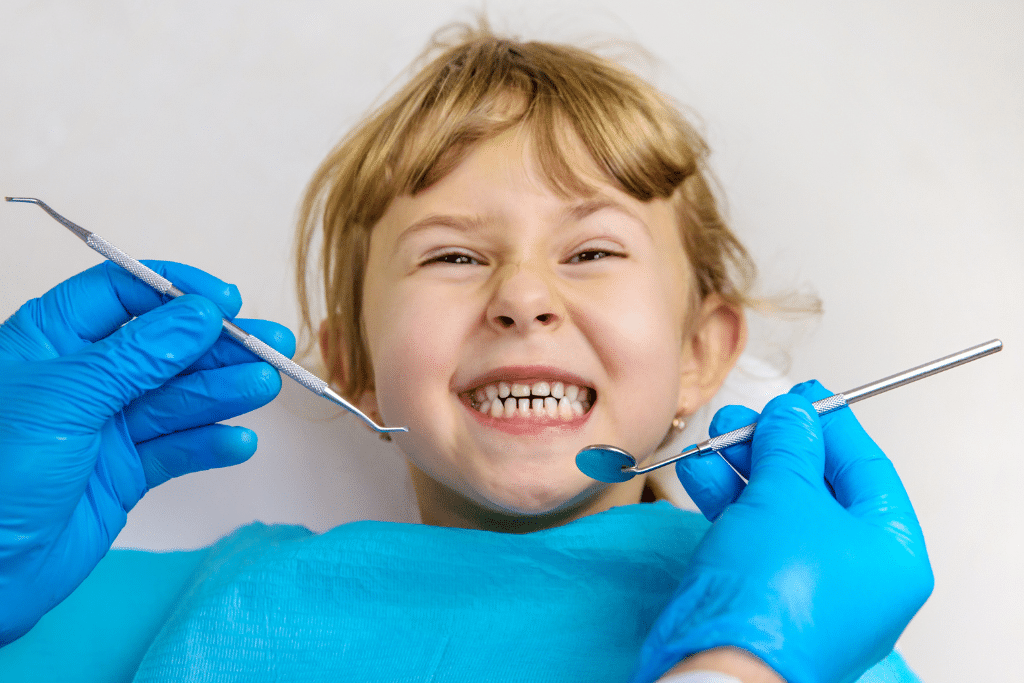
Parents often notice small changes in their child’s smile as they grow crowded teeth, bite issues, or habits like thumb-sucking that affect alignment. One of the most common questions families ask is whether orthodontic care should begin early or wait until all the permanent teeth have erupted.
Understanding the difference between early and later treatment can help parents make confident decisions about their child’s oral health. Orthodontic care is not always about starting as soon as possible, it’s about starting at the right time for each child.
After an initial consultation and examination, families considering kids orthodontic treatment in Layton can receive guidance tailored to their child’s growth, dental development, and specific orthodontic needs.
What Is Early Orthodontic Treatment?
Early orthodontic care often called Phase 1 treatment usually begins between the ages of 6 and 10, while a child still has a mix of baby teeth and permanent teeth.
At this stage, an orthodontist focuses on guiding jaw development and preventing more serious alignment issues later. Treatment is typically shorter and may include appliances designed to correct developing problems.
Common Goals Of Early Treatment
- Creating space for incoming permanent teeth
- Correcting crossbites or severe overbites
- Guiding proper jaw growth
- Addressing harmful oral habits
- Improving facial symmetry and bite function
Early care doesn’t always mean a child will avoid braces later, but it can make future treatment simpler and more efficient.
What Is Late Orthodontic Treatment?
Later treatment often called Phase 2 generally begins between 11 and 14 years old, when most permanent teeth have already erupted.
This stage focuses on aligning teeth into their final positions using braces or clear aligners. Since the jaw has developed further, treatment often centers on correcting crowding, spacing, and bite alignment.
For many children, waiting until this stage is perfectly appropriate if there are no major developmental concerns earlier on.
Goals of later treatment
- Straightening crooked or crowded teeth
- Closing gaps between teeth
- Improving bite alignment
- Enhancing smile aesthetics and oral function
Parents exploring kids orthodontic treatment in Layton often find that orthodontists recommend the timing based on how the child’s teeth and jaw are developing rather than age alone.
Signs a Child May Benefit from Early Treatment
Not every child needs orthodontic care at a young age. However, certain signs suggest an evaluation should happen sooner rather than later.
Watch for these common indicators:
- Early or late loss of baby teeth
- Difficulty chewing or biting
- Crowded or overlapping teeth
- Thumb-sucking beyond age five
- Jaw shifting or clicking
- Teeth that don’t meet properly when biting
The American Association of Orthodontists recommends children have their first orthodontic evaluation by age 7, even if treatment isn’t immediately necessary.
Benefits of Starting Early
Early orthodontic care can make a meaningful difference for some children. Because the jaw is still growing, orthodontists can guide development more effectively.
Potential advantages include:
1. Preventing more complex problems
Correcting bite issues early can reduce the need for more extensive treatment later.
2. Improving jaw development
Early appliances can guide how the upper and lower jaws grow.
3. Creating space for permanent teeth
This can help prevent severe crowding as adult teeth emerge.
4. Boosting confidence
Children often feel more comfortable smiling once visible issues are addressed.
Families researching kids orthodontic treatment in Layton frequently appreciate that early evaluations provide reassurance even when immediate treatment isn’t required.
When Waiting May Be the Better Choice
Orthodontists do not automatically recommend early treatment for every child. In many cases, waiting until more permanent teeth have erupted leads to more efficient results.
Situations where later treatment works well:
- Mild crowding or spacing
- Minor bite alignment issues
- Normal jaw growth patterns
- No functional chewing problems
By waiting, orthodontists can work with fully developed permanent teeth, which may shorten the overall treatment timeline.
How Orthodontists Decide the Best Timing
Every child’s smile develops differently. During an orthodontic evaluation, several factors are carefully considered.
These include:
- Jaw growth patterns
- Position of emerging permanent teeth
- Bite alignment and function
- Facial development
- Oral habits that affect tooth position
Digital imaging, X-rays, and a clinical examination help determine whether early intervention or later treatment will provide the best outcome.
Orthodontic Care and the Layton Community
Families in Layton often prioritize preventive healthcare for their children, including dental and orthodontic visits. With many local schools, youth sports programs, and community activities, a confident smile plays a big role in a child’s social development.
Parents frequently schedule orthodontic consultations during routine dental visits or before major developmental milestones such as middle school. Early evaluations can help ensure that children receive the right care at the right time while growing up in the Layton area.
Tips for Parents Considering Orthodontic Treatment
Choosing the right time for treatment can feel overwhelming, but a few simple steps can make the process easier.
Helpful tips for parents
- Schedule an orthodontic evaluation by age seven
- Watch for visible bite or alignment changes
- Encourage good brushing and flossing habits
- Limit thumb-sucking or pacifier use after early childhood
- Keep regular dental checkups
Early monitoring allows orthodontists to track development and recommend treatment only when it truly benefits the child.
The Bottom Line
There is no single answer to whether early or late orthodontic treatment is better for children. The best option depends on the individual child’s dental development, jaw growth, and specific orthodontic concerns.
Early evaluations allow orthodontists to identify potential problems before they become more complicated. In some cases, treatment begins right away. In others, the orthodontist simply monitors growth until the ideal time arrives.
For families seeking trusted guidance, Cameron Orthodontics provides personalized care focused on long-term oral health and confident smiles.
Schedule a Consultation
A healthy, confident smile can make a lasting difference in a child’s life. If you’re wondering whether early or later orthodontic care is right for your child, the team at Cameron Orthodontics is here to help.
Book an appointment today to receive personalized guidance and explore the best treatment options for your child’s growing smile.