
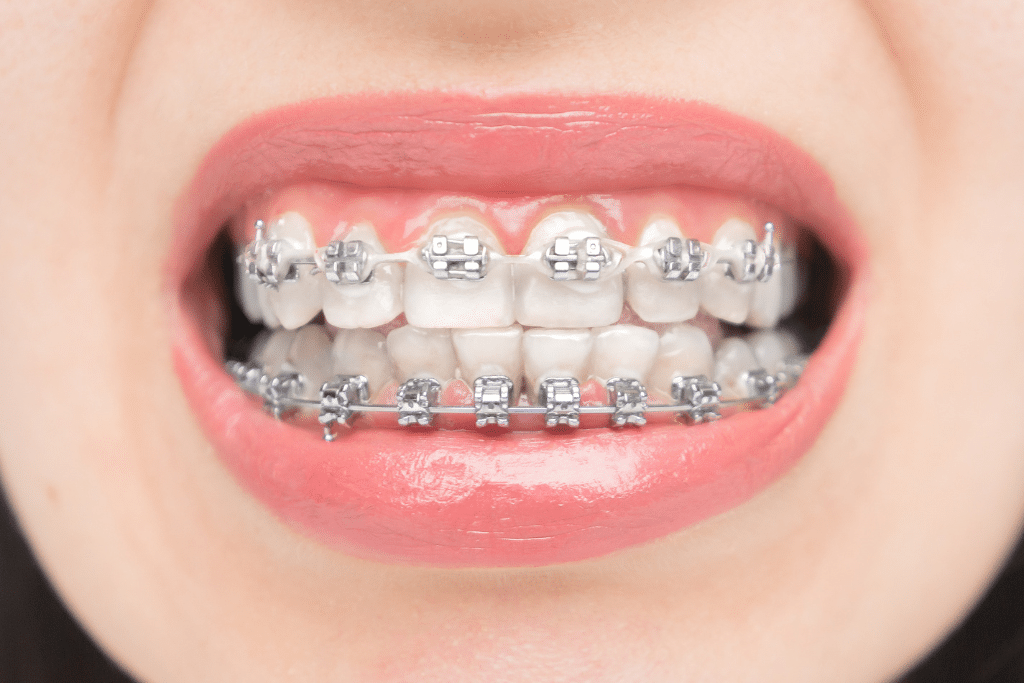
If you or your child are counting down the days until those brackets come off, you’re not alone. It’s probably the most common question parents in Davis County ask during checkup visits: “How much longer?” The honest answer is that there’s no universal calendar date for this. An orthodontist doesn’t simply glance at a chart and decide a patient has worn braces long enough. Removal happens only after the teeth, bite, and jaw have reached specific, measurable milestones.
Understanding what those milestones are can help you feel more confident during your next visit, whether you’re already deep into treatment or just starting to research braces in Layton. Every case of Braces Treatment looks a little different, since tooth movement depends on age, bone density, the severity of the original misalignment, and even how consistently a patient wears rubber bands or retainers between appointments. Still, orthodontists rely on a handful of consistent clinical checkpoints before they ever pick up the debonding tool.
The Signs Orthodontists Actually Look For
Before removing braces, your orthodontist reviews progress against the original treatment plan built at your very first consultation. This isn’t a guessing game. It’s a structured evaluation.
Teeth alignment is the most obvious factor, but it’s far from the only one. Orthodontists also check how the upper and lower teeth meet when you bite down, whether the midlines line up correctly, and whether any remaining gaps or rotations could shift back out of place if braces come off too early.
X-rays play a bigger role than most patients expect. Root position matters just as much as the visible crown of the tooth. Two teeth can look perfectly straight on the surface while their roots are still angled incorrectly beneath the gumline. Removing braces before the roots settle can lead to relapse, which nobody wants after months or years of commitment.
Bite function is another checkpoint. A proper bite means your back molars fit together comfortably, your front teeth overlap correctly, and there’s no excessive pressure on one side of the jaw. Orthodontists often ask patients to bite down and slide their jaw side to side, checking for lingering discomfort or uneven contact.
Finally, there’s stability. Orthodontists want to see that the current alignment holds steady between visits, not just on the day of the appointment. If there’s no meaningful movement between two consecutive checkups, that’s often a sign it’s time to plan for removal.
Why Timing Varies From Patient to Patient
A teenager going through a growth spurt may need a different treatment length than an adult starting orthodontic care later in life. Growing jaws respond differently to pressure than fully developed ones, and orthodontists factor this into every adjustment. For patients considering braces in Layton, this personalized approach helps ensure treatment is planned around individual growth, bite, and alignment needs. This is one reason two siblings with similar starting alignment can finish treatment months apart.
Compliance also plays a bigger role than most people realize. Patients who consistently wear their rubber bands, avoid hard or sticky foods, and show up for scheduled tightening appointments tend to move through treatment more predictably. Skipped appointments or loose brackets can quietly extend the timeline.
What Happens Right Before Braces Come Off
In the weeks leading up to removal, your orthodontist typically takes a fresh set of X-rays and photographs to compare against your original records. This confirms the teeth have actually reached their planned final position, not just an approximate one. Many local families in Layton appreciate seeing this comparison, since it makes the final decision feel transparent rather than arbitrary.
Once everything checks out, the orthodontist schedules a debonding appointment. Brackets are carefully removed one at a time, leftover adhesive is polished away, and a retainer is fitted almost immediately. That last step matters enormously, since teeth are naturally inclined to drift back toward their original position in the first year after braces come off.
A Quick Checklist Orthodontists Review Before Removal
If you want a simple way to understand what’s being evaluated at each visit, most orthodontists are essentially checking off these points before scheduling a debonding appointment:
- Teeth are aligned and match the original treatment plan
- Bite fits together properly with no uneven pressure
- X-rays confirm tooth roots are positioned correctly, not just the visible crowns
- Alignment has remained stable across at least two consecutive visits
- Any remaining gaps, rotations, or spacing issues have fully closed
When every box on this list is checked, that’s typically when your orthodontist starts talking about a removal date rather than another round of adjustments.
Life After Braces in Layton
Layton has grown into a community full of young families, students at nearby schools and working professionals who all share one thing in common: busy schedules. That’s part of why local orthodontic offices along the Wasatch Front focus on flexible appointment windows and clear communication about timelines. Nobody wants to guess how many more school-year checkups they’ll need to fit in around sports practices, work shifts, or weekend plans.
If you’ve been researching braces in Layton for yourself or your child, it helps to ask your provider directly what specific milestones they’re tracking for your case. A good orthodontist will walk you through your X-rays, explain what still needs to shift and give you a realistic estimate rather than a vague one.
Ready for Your Own Straighter Smile?
Every smile journey looks a little different, and the only way to know exactly where you or your child stand is with a proper evaluation. Cameron Orthodontics has been helping local families throughout Layton feel confident about their orthodontic care, from the very first consultation all the way through the day braces come off.
If you’re ready to talk timelines, treatment options or simply have questions about what to expect, book an appointment with Cameron Orthodontics today and take the next step toward a smile you’ll want to show off.
Frequently Asked Questions
How long do most people wear braces?
Treatment typically runs between twelve and twenty-four months, though it can be shorter or longer depending on the complexity of the case and how consistently a patient follows care instructions.
Can braces come off early if teeth look straight?
Not usually. Straight-looking teeth on the surface don’t always mean the roots and bite are fully settled. Removing braces too early increases the risk of teeth shifting back.
Does age affect how long braces are needed?
Yes. Younger patients whose jaws are still developing often respond faster to adjustments, while adult treatment can sometimes take a bit longer since bone remodeling slows with age.
What happens immediately after braces are removed?
Your orthodontist will clean any leftover adhesive off your teeth and fit you with a retainer right away to help maintain your new alignment.
Do I still need to wear a retainer after braces come off?
Absolutely. Retainers are essential for keeping teeth in place while the surrounding bone and gum tissue stabilize, especially during the first several months after removal.