
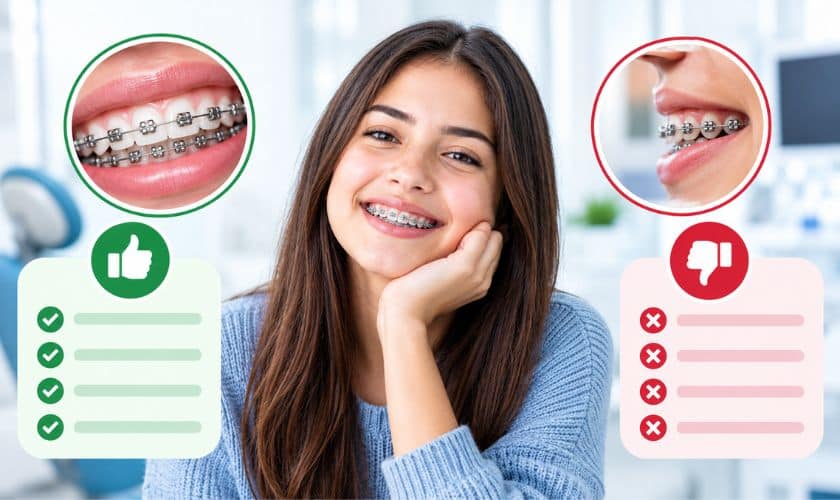
Traditional metal braces have been helping patients straighten their teeth and improve their bites for decades. Modern designs are smaller and more comfortable than older versions, while still providing consistent control over tooth movement. For patients considering metal braces in Layton, understanding both the advantages and potential drawbacks can make the treatment decision easier.
What Are Traditional Metal Braces?
Metal braces use brackets attached to the teeth and a wire that connects them. The wire applies gentle, controlled pressure to gradually move teeth into better positions. Regular orthodontic appointments allow adjustments to keep treatment progressing according to the individual treatment plan.
Because they remain attached throughout treatment, metal braces do not depend on remembering to wear or replace removable trays. They can also be used for many types of alignment and bite concerns, including crowding, gaps, overbites, and underbites.
Pros of Traditional Metal Braces
Reliable Tooth Movement
One of the biggest benefits of metal braces is their ability to provide precise, continuous pressure. This allows an orthodontist to control individual tooth movements and address more complicated alignment concerns.
Effective for Complex Cases
Metal braces can be particularly useful when significant tooth movement or bite correction is needed. They may be used for severe crowding, larger gaps, and various bite problems, depending on the patient’s specific needs.
Durable and Fixed
Metal brackets and wires are designed to withstand normal daily activities. Since the braces are fixed to the teeth, patients do not have to remember to put them in after meals or worry about misplacing them, as they might with removable orthodontic appliances.
Customizable Appearance
Although metal braces are visible, modern options can be personalized with different colored elastic bands. This can make treatment more enjoyable, especially for children and teenagers who want to add some personality to their braces.
Cons of Traditional Metal Braces
They Are Noticeable
The most obvious drawback is their appearance. Metal brackets and wires are more visible than clear aligners or tooth-colored ceramic braces. This may be an important consideration for adults or teens who prefer a discreet treatment option.
Some Initial Discomfort
It is normal to experience temporary soreness after braces are placed or adjusted. The teeth may feel tender, and brackets can sometimes irritate the cheeks or lips while the mouth adjusts. Orthodontic wax and softer foods can help make the adjustment period easier.
Food Restrictions
Certain hard, sticky, or chewy foods can damage brackets or wires. Patients may need to avoid foods such as hard candies, popcorn, ice, and very sticky treats. Careful eating habits help protect the appliances during treatment.
More Detailed Cleaning
Brushing and flossing require extra attention because food particles can collect around brackets and wires. Good oral hygiene is important throughout treatment to help reduce the risk of plaque buildup and tooth decay.
Are Metal Braces Right for You?
The right orthodontic treatment depends on your dental needs, lifestyle, treatment goals, and personal preferences. Some patients may appreciate the durability and consistent control of traditional braces, while others may prefer a less noticeable option.
If you are comparing orthodontic treatments in Layton, speaking with an orthodontist near you can help you understand how different options may fit your particular situation. A professional evaluation can identify alignment and bite concerns and explain what treatment approach may be appropriate.
Making Your Braces Experience Easier
Following your orthodontist’s instructions can make treatment more manageable. Brush carefully around every bracket, floss regularly, attend scheduled adjustment appointments, and avoid foods that could damage the appliances. Keeping up with these habits can support steady progress throughout treatment.
For patients considering treatment in Layton, Cameron Orthodontics provides orthodontic care for children, teens, and adults, with a Layton location at 2940 N Church St #302.
If you have questions about your treatment choices, Contact Us to learn more about available orthodontic options and what may suit your smile needs.
Conclusion
Traditional metal braces remain a dependable option for straightening teeth and correcting many types of bite and alignment concerns. Their durability, continuous pressure, and ability to handle complex movements make them a practical orthodontic choice for many patients. However, their visibility, food restrictions, cleaning requirements, and temporary discomfort are factors worth considering.
Understanding both the pros and cons can help you approach treatment with realistic expectations. Patients exploring orthodontic care in Layton can also visit our dental clinic to discuss their individual treatment needs and learn more about the options available.
Frequently Asked Questions
- Are traditional metal braces effective?
Yes. Metal braces provide continuous, controlled pressure to move teeth and can correct many alignment and bite concerns, including crowding, gaps, overbites, and underbites.
- How long do metal braces usually take?
Treatment length varies based on tooth alignment, bite concerns, age, and treatment goals. Many patients wear braces for about 18 to 24 months, though some cases take longer.
- Are metal braces painful?
Braces may cause temporary soreness after placement or adjustments. Teeth can feel tender, and brackets may irritate the cheeks initially, but these effects generally become easier to manage.
- What foods should be avoided with metal braces?
Hard, sticky, and chewy foods can damage brackets or wires. Patients are commonly advised to avoid hard candy, popcorn, ice, sticky caramel, and similar foods during treatment.
- Can adults get traditional metal braces?
Yes. Adults can receive orthodontic treatment with metal braces when appropriate. Treatment is planned according to tooth movement, bite concerns, oral health, and the patient’s individual orthodontic needs.
- How should I clean my teeth with braces?
Brush carefully around brackets and wires and clean between teeth every day. Thorough oral hygiene helps remove trapped food and plaque and supports healthy teeth and gums during orthodontic treatment.
- Are metal braces better for complex orthodontic problems?
Metal braces can provide precise control for many complex tooth movements and bite corrections. An orthodontic evaluation is needed to determine whether they are appropriate for a particular case.