
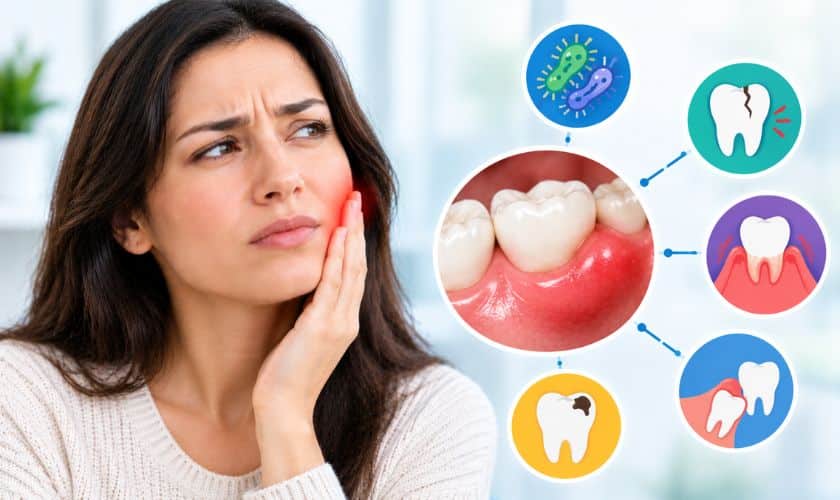
Sudden swelling around a tooth can be uncomfortable, alarming, and sometimes a sign of an underlying dental problem that needs prompt attention. It may develop near the gumline, around a tooth root, or in the surrounding cheek. While minor gum irritation can cause temporary puffiness, swelling may also indicate an infection, an abscess, or an injury that requires professional evaluation.
Understanding the possible causes can help you recognize warning signs and determine when to seek dental care. For individuals and families in Layton, UT, knowing what to look for can make it easier to respond appropriately and protect long-term oral health.
Common Causes of Sudden Swelling Around a Tooth
Several dental conditions can cause the gums or tissues surrounding a tooth to swell. Identifying the source is important because treatment depends on the underlying problem.
1. Dental Abscess
A dental abscess is a pocket of pus caused by a bacterial infection. It may develop near the tip of a tooth’s root or in the gums beside a tooth. Deep decay, a cracked tooth, or untreated dental damage can allow bacteria to reach the inner tissues.
Common symptoms include throbbing pain, swollen gums, sensitivity to hot or cold foods, a bad taste in the mouth, and sometimes fever. An abscess can occasionally cause swelling even when tooth pain is mild.
A suspected dental abscess needs prompt professional care. It will not reliably resolve on its own, and treatment may involve draining the infection, root canal therapy, or removing the affected tooth.
2. Gum Disease
Gum disease develops when plaque and bacteria accumulate along the gumline. Early gum inflammation, known as gingivitis, can cause redness, tenderness, and puffiness. If the condition progresses, the supporting tissues around the teeth may become damaged.
More advanced gum disease can lead to periodontal pockets where bacteria collect, sometimes resulting in localized swelling or a gum abscess.
Daily brushing, cleaning between teeth, and regular professional dental cleanings help control plaque. Persistent swelling, bleeding during brushing, or receding gums should be evaluated rather than ignored.
3. Tooth Decay or Infection Inside the Tooth
Untreated cavities can gradually penetrate the enamel and dentin, eventually reaching the pulp, which contains nerves and blood vessels. When bacteria infect this area, inflammation may spread toward the root and surrounding tissues.
You might notice sensitivity, spontaneous toothache, discomfort while chewing, or swelling near the affected tooth. In some cases, symptoms temporarily decrease even though the infection remains.
A dental examination can help determine whether a filling, root canal treatment, or another procedure is needed to address the source of the problem.
4. Food Trapped Between Teeth
Food particles caught between teeth or beneath the gumline can irritate delicate gum tissue. This may cause localized redness, tenderness, and swelling, particularly when the area is difficult to clean.
Gently flossing and rinsing with warm salt water may help relieve mild irritation. Avoid using sharp objects to remove trapped food, as they can injure the gums.
If swelling persists, worsens, or becomes painful, a dental professional should check for an underlying infection or another cause.
5. Cracked or Injured Tooth
A tooth may crack after biting something hard, grinding the teeth, or experiencing an injury. Even a small crack can expose sensitive inner structures or create an entry point for bacteria.
Swelling may develop when the surrounding tissues become inflamed or an infection forms. Other warning signs include pain when biting, sensitivity to temperature, or discomfort that comes and goes.
Prompt evaluation can help prevent further damage and determine whether the tooth needs a filling, crown, root canal treatment, or another form of care.
6. Erupting or Impacted Tooth
A partially erupted tooth, particularly a wisdom tooth, can cause swelling when the surrounding gum becomes inflamed. Food and bacteria may collect beneath the gum flap, leading to a condition called pericoronitis.
Symptoms can include tenderness at the back of the mouth, difficulty chewing, unpleasant taste, and swelling around the affected area. Severe cases may cause difficulty opening the mouth.
Professional assessment is important if symptoms increase or infection is suspected.
How to Respond to Sudden Tooth Swelling
When swelling appears, avoid squeezing the area or attempting to drain it yourself. Rinse gently with warm salt water, maintain careful oral hygiene, and apply a cold compress to the outside of the cheek for short intervals if needed.
Avoid placing aspirin directly on the gums, as it can damage the tissue. Do not take leftover antibiotics or assume that pain relief means the underlying problem has disappeared.
Arrange a dental evaluation promptly, especially if the swelling is painful, persistent, or increasing. If you experience difficulty breathing or swallowing, swelling extending into the neck or around the eye, or rapidly spreading facial swelling, seek emergency medical care immediately.
Preventing Future Swelling Around Your Teeth
Consistent oral hygiene can reduce the risk of many problems that cause swollen gums. Brush twice daily with fluoride toothpaste, clean between your teeth every day, and attend routine dental examinations and professional cleanings.
Limiting frequent sugary snacks and avoiding chewing hard objects can also help protect your teeth. If you grind your teeth, ask a dental professional whether a protective night guard may be appropriate.
Residents of Layton, UT, can benefit from addressing dental discomfort early rather than waiting for symptoms to become severe. Cameron Orthodontics: Braces & Invisalign can help patients understand their oral health concerns and determine whether further dental evaluation is appropriate.
If you notice unexplained swelling, contact us to discuss your concerns and understand the next steps for seeking appropriate care. Early evaluation can help identify the cause and reduce the risk of complications.
Frequently Asked Questions
- Can a tooth cause swelling without pain?
Yes, swelling can develop without noticeable tooth pain, particularly during the early stages of gum inflammation or certain dental infections. Even painless swelling should be evaluated because an underlying problem may still require treatment.
- How quickly can swelling around a tooth develop?
Swelling may appear over several hours or develop gradually over a few days. A sudden increase can indicate infection or inflammation, so worsening swelling should be assessed promptly by a dental professional.
3. Can swollen gums around one tooth heal on their own?
Mild irritation caused by trapped food may improve after gentle cleaning. However, swelling caused by an abscess, advanced gum disease, or an infected tooth generally needs professional treatment and should not be left untreated.
- Does swelling around a tooth always mean an infection?
No, swelling can result from trapped food, gum irritation, injury, or an erupting tooth. However, infection is an important possibility, especially when swelling occurs with severe pain, pus, fever, or a bad taste.
- What can I do at home to reduce tooth swelling?
Gentle warm saltwater rinses, careful brushing, and a cold compress against the cheek may provide temporary relief. These measures do not treat an underlying infection, so persistent or worsening swelling needs professional evaluation.
- When should I seek emergency care for tooth swelling?
Seek emergency medical care if swelling causes difficulty breathing or swallowing, spreads rapidly into the neck, or affects the area around the eye. Fever with worsening facial swelling also warrants urgent assessment.
- Can poor oral hygiene cause swelling around a tooth?
Yes, inadequate brushing and flossing allow plaque and bacteria to accumulate around the gums. This can contribute to gingivitis, periodontal disease, and localized infections, all of which may cause swelling around one or more teeth.