
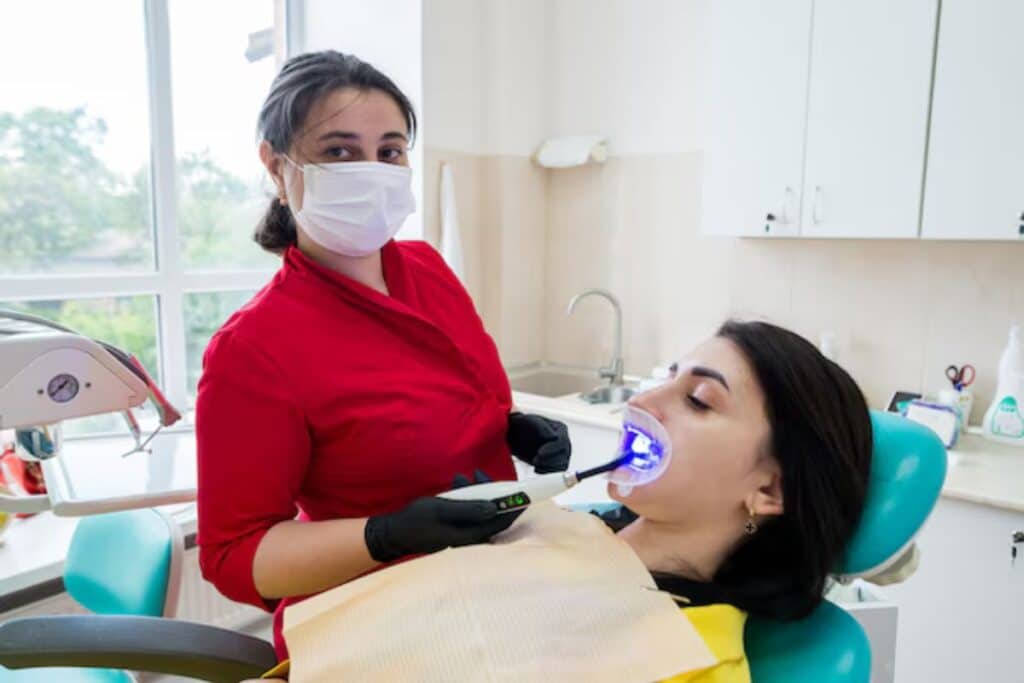
Orthodontic treatment is often associated with adolescence, but an increasing number of adults are seeking braces and aligners to achieve a healthier, more aesthetically pleasing smile. Adult orthodontic treatment can present unique challenges, but with the right approach, these obstacles can be effectively managed. This blog explores common challenges adults face with orthodontic treatment and offers practical strategies for overcoming them.
1. Understanding the Commitment
Challenge: One of the first hurdles adults encounter is the time commitment involved in orthodontic treatment. Unlike children, adults have busy schedules and may struggle to find time for frequent orthodontic appointments.
Solution: To navigate this challenge, it’s essential to plan and prioritize orthodontic care. Many modern orthodontic treatments, such as clear aligners, require fewer office visits compared to traditional braces. Discuss your schedule and treatment options with your orthodontist to tailor a plan that fits your lifestyle. Effective time management and scheduling can help ensure you stay on track with your treatment plan.
2. Managing Aesthetic Concerns
Challenge: Adults may be concerned about the appearance of traditional metal braces, especially in professional or social settings. The fear of visible braces can be a significant deterrent.
Solution: Fortunately, there are aesthetic alternatives available, such as clear aligners and ceramic braces, which blend more seamlessly with your natural teeth. Clear aligners, in particular, offer a nearly invisible solution and can be removed for special occasions. Discussing these options with your orthodontist can help you choose a treatment that aligns with your cosmetic preferences.
3. Addressing Dental Health Issues
Challenge: Many adults seeking orthodontic treatment have existing dental health issues, such as gum disease, tooth decay, or missing teeth, which can complicate the process.
Solution: Prior to beginning orthodontic treatment, it’s crucial to address any underlying dental health issues. Your orthodontist will likely work with your general dentist to ensure your teeth and gums are healthy before starting treatment. Investing time in comprehensive dental care will help ensure that your orthodontic treatment is successful and that you achieve the best possible results.
4. Dealing with Discomfort
Challenge: Orthodontic appliances can cause discomfort, particularly in the initial stages of treatment. This discomfort can be more pronounced in adults, who may have a lower pain tolerance than younger patients.
Solution: While some discomfort is normal, it can usually be managed with over-the-counter pain relievers and orthodontic wax to alleviate irritation caused by braces. Additionally, following your orthodontist’s advice on diet and oral care can minimize discomfort. If pain persists or worsens, consult your orthodontist to ensure there are no issues with your appliances.
5. Maintaining Motivation
Challenge: Orthodontic treatment can be a lengthy process, and staying motivated throughout the duration of treatment can be challenging, especially when results take time to become visible.
Solution: Setting realistic goals and celebrating small milestones can help maintain motivation. Regularly reviewing your progress with your orthodontist can provide reassurance and reinforce your commitment to the treatment. Additionally, visualizing the end result and the benefits of a healthier smile can help you stay focused and motivated.
6. Navigating Financial Considerations
Challenge: Orthodontic treatment can be expensive, and many adults are concerned about the cost and payment options.
Solution: Many orthodontic practices offer flexible payment plans and financing options to make treatment more affordable. Additionally, check with your dental insurance provider to see if orthodontic treatment is covered under your plan. Discussing your financial concerns with your orthodontist can help you explore various payment options and find a solution that fits your budget.
Conclusion
Adult orthodontic treatment can be an excellent investment in your dental health and overall confidence. While challenges such as time commitment, aesthetic concerns, existing dental issues, discomfort, motivation, and financial considerations may arise, addressing these challenges proactively can lead to a successful treatment outcome. By working closely with your orthodontist and utilizing available resources, you can overcome these obstacles and enjoy the benefits of a beautifully aligned smile.