
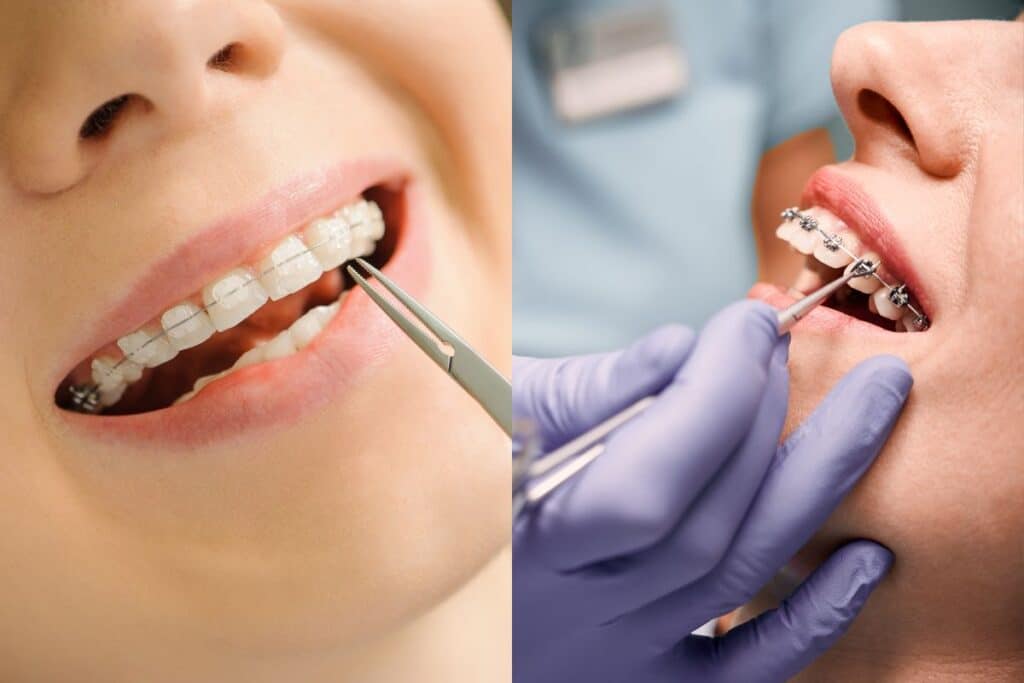
When it comes to orthodontic treatment, choosing the right type of braces is crucial for achieving a beautiful, straight smile. Two popular options are ceramic braces and metal braces. Both are effective at aligning teeth, but many patients wonder which type works faster. Let’s delve into the differences between these two types of braces and explore which one may offer quicker results.
Understanding Ceramic and Metal Braces
Metal Braces: Traditional metal braces are the most common type. They consist of metal brackets attached to the teeth and connected by a wire. Modern metal braces are smaller and more comfortable than their predecessors, but they are still highly visible.
Ceramic Braces: Ceramic braces work similarly to metal braces but use clear or tooth-colored brackets. This makes them less noticeable, which can be a significant advantage for patients concerned about aesthetics. The brackets are made from a blend of ceramic materials, which blend more seamlessly with the natural color of your teeth.
Speed of Treatment: Ceramic vs. Metal Braces
When evaluating the speed of treatment, several factors come into play, including the type of malocclusion (misalignment) and the patient’s compliance with orthodontic instructions. However, generally speaking:
- Bracket Material and Size:
- Metal Braces: The metal brackets used in traditional braces are typically more robust and durable. They can handle greater forces and may be adjusted more frequently, potentially leading to faster treatment times. The wires used in metal braces are often more substantial, which can contribute to quicker adjustments and alignment.
- Ceramic Braces: Ceramic brackets are more fragile and can be slightly larger to avoid chipping or cracking. They might not be as durable under high-pressure adjustments compared to metal brackets. As a result, some orthodontists may need to make more gradual adjustments with ceramic braces, which could lengthen the overall treatment time.
- Efficiency of Wire Movement:
- Metal Braces: Metal braces are often equipped with more advanced archwires that can be adjusted to apply precise pressure on the teeth. This can enhance the efficiency of the alignment process and possibly lead to faster results.
- Ceramic Braces: While ceramic braces use similar archwires, the friction between the wire and ceramic brackets can be higher than with metal brackets. This increased friction can slow down the movement of teeth compared to metal braces.
- Treatment Complexity:
- Metal Braces: For complex orthodontic issues, metal braces are generally preferred. They can handle more severe misalignments and complex movements more effectively, potentially reducing the total treatment time.
- Ceramic Braces: While ceramic braces can be effective for moderate cases, they may be less suitable for complex adjustments. Orthodontists might choose metal braces for more challenging cases to ensure optimal results within a reasonable timeframe.
Factors Affecting Overall Treatment Time
Regardless of the type of braces, several factors influence how long orthodontic treatment will take:
- Severity of Misalignment: More severe cases typically require longer treatment periods, whether using ceramic or metal braces.
- Patient Compliance: Following the orthodontist’s instructions, attending regular appointments, and maintaining good oral hygiene can significantly impact treatment speed.
- Orthodontic Technology: Advances in orthodontic technology, such as digital imaging and customized brackets, can affect treatment efficiency and speed.
Conclusion
In summary, metal braces tend to work faster than ceramic braces due to their robustness, durability, and efficient wire movement. However, the choice between ceramic and metal braces should also consider aesthetic preferences, comfort, and the specific needs of the patient. Consulting with an experienced orthodontist will help determine the best option for your unique situation, ensuring you achieve a beautiful, straight smile in the most efficient manner possible.