
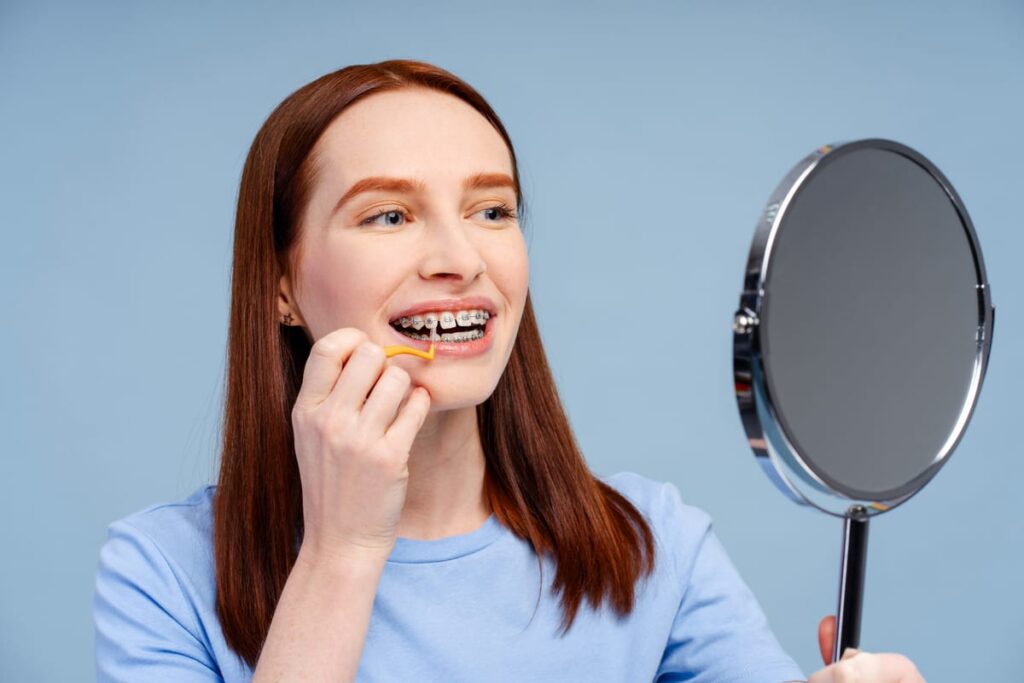
Wondering if your bite is a candidate for braces? Our evaluation in West Point reveals more than most patients expect. At Cameron Orthodontics, Dr. David Cameron takes a thorough, individualized approach to every assessment. Understanding what we look for can help you feel confident walking into your first appointment.
Many people assume braces are only for crooked teeth. In reality, bite issues, jaw alignment, and spacing problems all factor into candidacy. The good news is that modern orthodontics addresses a wide range of concerns. Knowing what qualifies helps you make an informed decision for yourself or your child.
What Does a Bite Evaluation Actually Involve?
A bite evaluation at Cameron Orthodontics is a comprehensive process. Dr. Cameron does not simply look at your teeth from the front. He examines how your upper and lower jaws relate to each other. That relationship is the foundation of a healthy, functional smile.
During your evaluation, we typically review the following:
- Digital X-rays to assess bone structure and tooth positioning
- Photos of your teeth, profile, and full smile
- A clinical exam measuring crowding, spacing, and jaw alignment
- A review of your dental and health history
- An age and growth assessment, especially important for teens
These steps give Dr. Cameron a complete picture. No single factor determines your candidacy alone. Everything works together to shape his recommendation.
Common Bite Problems That Qualify for Braces in West Point
Not every bite issue looks the same. Some problems are visible when you smile. Others only appear when your teeth come together. Dr. Cameron evaluates several specific conditions during your consultation at our West Point office.
Here are the most common bite concerns we treat with Orthodontics West Point:
- Overbite: Upper front teeth overlap too far over the lower teeth
- Underbite: Lower teeth sit in front of the upper teeth when biting
- Crossbite: Upper and lower teeth do not align properly side to side
- Open bite: Front teeth do not touch when back teeth are closed
- Crowding: Teeth overlap or twist due to limited space
- Spacing: Gaps between teeth that affect function or appearance
These issues range from mild to complex. Even moderate problems can worsen over time without treatment. Early evaluation helps Dr. Cameron catch them at the most treatable stage.
Who Is the Best Candidate for Braces?
Braces work for a wide range of patients, from children to adults. However, certain factors make some patients stronger candidates than others. Dr. Cameron explains these clearly during your evaluation so you understand your options.
Age plays a role in treatment planning. Teens often benefit from braces during their growth phase. Their bones are still developing, which can make certain corrections easier. Adults can absolutely achieve great results too — it simply may take a different approach.
Bone health and gum condition also matter. Patients with active gum disease or significant bone loss may need additional care before starting orthodontics. Dr. Cameron will identify any such concerns during your exam. Addressing them first helps ensure your treatment succeeds.
Motivation and commitment are equally important. Braces require consistent care, dietary adjustments, and regular check-ins. Patients who follow through with their treatment plan get the best outcomes. Dr. Cameron’s team makes that process as smooth as possible for West Point families.
Braces vs. Invisalign — What Your Evaluation Determines
Your evaluation does more than confirm whether orthodontic treatment is right for you. It also helps determine which treatment method fits your specific needs. Dr. Cameron will walk you through both options based on your bite, lifestyle, and goals.
Traditional braces remain one of the most effective tools for complex bite correction. They give Dr. Cameron precise control over tooth movement. For severe crowding, significant jaw discrepancies, or rotations, braces often deliver the best outcome. Many teens in West Point also prefer the structure braces provide.
For patients with mild to moderate issues, Invisalign And Clear Aligners West Point can be an excellent alternative. Clear aligners are removable and nearly invisible. They suit patients who prefer a more discreet treatment experience. Dr. Cameron will confirm whether your bite complexity fits within what clear aligners can effectively correct.
Some patients are strong candidates for either option. In those cases, Dr. Cameron explains the trade-offs honestly. His goal is to match you with the treatment that serves your long-term oral health best.
What Happens After Your Evaluation?
Once Dr. Cameron completes your evaluation, he presents a clear treatment plan. This plan includes the recommended treatment type, estimated duration, and what results you can realistically expect. You will never leave the office unsure about next steps.
You will have time to ask questions before making any decisions. Dr. Cameron encourages patients to fully understand their plan before committing. His team is also available to answer follow-up questions between appointments. Informed patients make confident patients.
If treatment is recommended, we schedule your start date at your convenience. For patients who are not quite ready — such as younger children still losing baby teeth — Dr. Cameron maps out the ideal timing. He monitors growth over time and starts treatment when it will be most effective.
Take the First Step Toward a Healthier Bite in West Point
A bite evaluation at Cameron Orthodontics is a low-pressure, educational experience. Dr. Cameron’s approach is straightforward and focused on your unique situation. You will leave with a clear understanding of your bite, your options, and what treatment could accomplish for you.
West Point families trust Dr. Cameron because he takes the time to explain everything. He never recommends treatment that is not genuinely necessary. His team combines clinical expertise with a friendly, welcoming approach that puts patients at ease from the very first visit.
If you have been wondering whether your bite is a candidate for braces, the answer starts with one conversation. Book Now to schedule your appointment with our team.
Frequently Asked Questions
How do I know if I need braces or just a retainer?
A retainer maintains alignment after orthodontic treatment. Braces actively move teeth and correct bite issues. If you have crowding, spacing, or a misaligned bite, braces are likely necessary. Dr. Cameron will determine the right tool for your specific situation during your evaluation.
At what age should my child have a bite evaluation?
The American Association of Orthodontists recommends a first evaluation by age seven. At that age, Dr. Cameron can identify developing issues before they become more complex. Early evaluation does not always mean early treatment. It simply means we monitor your child’s growth and act at the right time.
Can adults get braces even if they have had orthodontic work before?
Yes, adults can absolutely start or restart orthodontic treatment. Teeth can shift over time, especially if retainers were not worn consistently. Dr. Cameron evaluates adult patients the same way he evaluates younger patients. Many adults in West Point successfully complete treatment with excellent results.
Does a bite evaluation hurt?
No, a bite evaluation is completely comfortable. It involves photos, X-rays, and a clinical exam. There are no injections or procedures involved. Most patients find the process quick and informative.
How long does orthodontic treatment typically take after the evaluation?
Treatment length varies depending on the complexity of your bite issues. Most cases range from twelve to twenty-four months. Dr. Cameron will give you a realistic estimate based on your specific evaluation findings. He also monitors your progress throughout treatment and adjusts the plan as needed.