
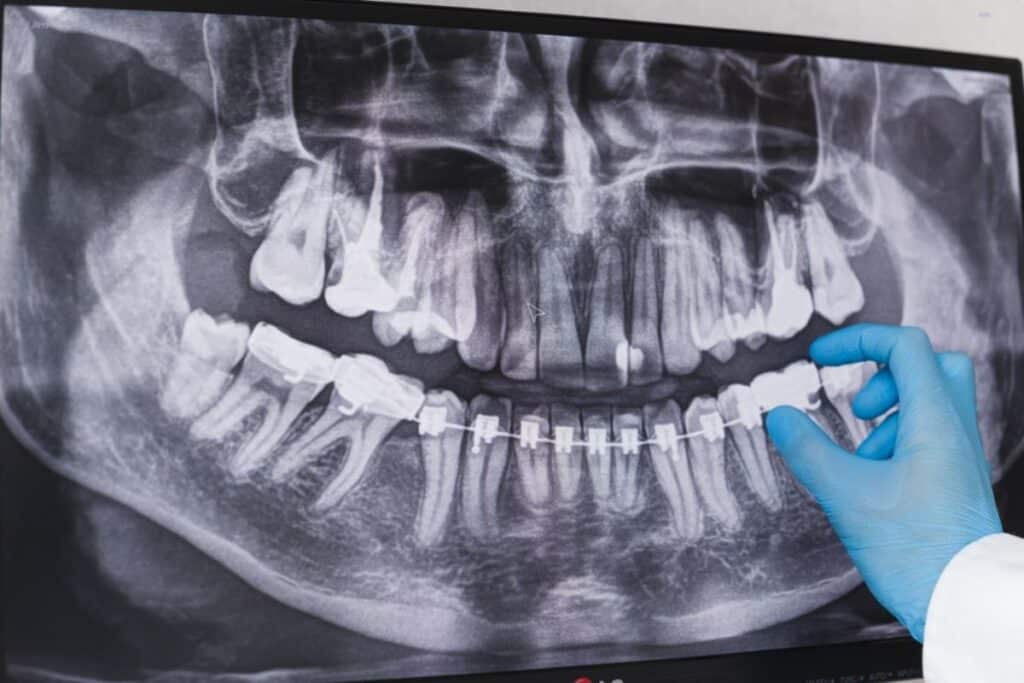
Misaligned Teeth? Braces can work for your situation. Braces are life-changing for aligning teeth and improving smiles. However, some patients may experience bone loss after treatment. Understanding the causes and exploring effective solutions are crucial to maintaining oral health. In this blog by Cameron Orthodontics, we discover the top causes and ways to fix bone loss after braces.
What Causes Bone Loss After Braces?
Bone loss is a common phenomenon after an orthodontic treatment. The primary root cause lies in the loss of bone density after the orthodontic treatment. As the teeth are attached to the jawbones through a specific gum alignment, orthodontic treatment often leads to bone loss at the end. Let us consider the following reasons, which may be one of the reasons behind bone loss after braces –
- Periodontitis: Periodontitis or Gum disease is the most common reason after braces to cause bone loss. The gradual build-up of tartar and plaque between the braces’ brackets and wires is inevitable. This situation leads to Gingivitis and loss of bone density locally around teeth.
- Age and Health Factors: Some health and age-related factors, like osteoporosis or diabetes, can aggravate bone loss after braces.
- Orthodontic Tooth movement: This is a rare condition. Orthodontic tooth movement is the natural movement or realignment of teeth along the jaw bone after the brace process has taken place. This process has a slight chance of depreciating bone density, as natural teeth may not recover to their original tooth density after orthodontic treatment.
- Poor Oral Hygiene: Oral hygiene, if not maintained after the braces, surely leads to bone loss due to plaque, which is caused by poor dental hygiene.
- Genetics: Some individuals may be prone to bone loss due to genetic reasons as well.
Signs to Watch Out For
Bone loss doesn’t happen overnight. It usually develops gradually, with early indicators often overlooked. Common signs include:
- Gum inflammation or swelling
- Gums pulling away from teeth.
- Teeth feeling loose or shifting positions.
If you notice these symptoms during or after wearing braces, consult a dentist immediately.
Preventing Bone Loss During Brace Treatment
Prevention is always better than cure. Here are ways to protect your dental health while wearing braces:
- Brush and Floss Regularly: Clean around brackets and wires daily to remove plaque and food debris.
- Use Orthodontic Tools: Dental picks, water flossers, and interdental brushes can help clean hard-to-reach areas.
- Visit Your Orthodontist: Routine check-ups ensure issues like gum disease are caught early and addressed effectively.
Maintaining good oral hygiene and regular dental visits can significantly reduce the risk of bone loss.
Treatment Options for Bone Loss After Braces
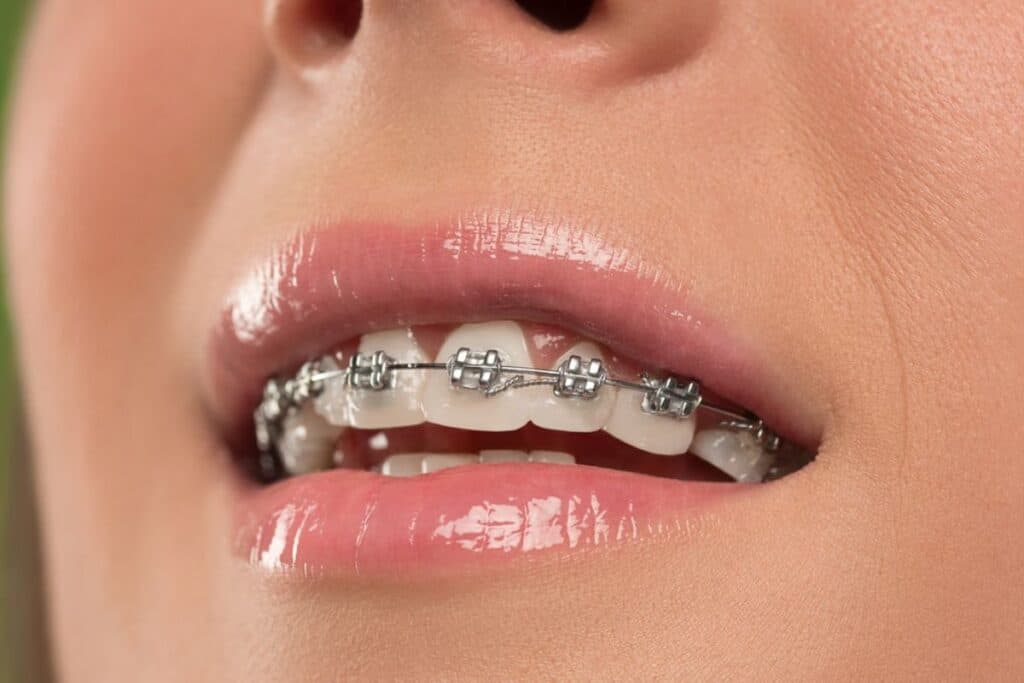
If bone loss occurs, don’t panic—effective treatments are available. Here are some common solutions:
- Scaling and Root Planing: If bone density loss is caused by Gingivitis, a gum disease, scaling and root planing are the ideal treatment methods to prevent bone loss. Scaling and root planing is a deep cleaning procedure to remove plaque and tartar beneath the gum line.
- Bone Grafting: Bone grafting is a surgical procedure to regenerate lost bone by placing a part of bone, sourced either from the patient’s body or a donor, over the teeth. This surgical procedure rebuilds lost bone tissue using synthetic or natural graft materials. This method is quite helpful in regenerating bone density.
- Guided Tissue Regeneration: Stimulates bone and gum tissue regrowth around affected areas.
- Laser Therapy: Laser therapy is an advanced treatment option for treating gum disease. It can help remove tartar and plaque build-up from the gum and recover lost bone density.
- Orthodontic Retreatment: In some cases, correcting the alignment further can improve bone and gum health.
Each treatment plan depends on the severity of bone loss and your overall oral health.
Lifestyle Changes to Support Recovery
Recovery doesn’t end with professional treatments. Adopting the right habits ensures better results:
- Balanced Diet: Consume foods rich in calcium and vitamin D to strengthen bones and teeth.
- Quit Smoking: Smoking slows gum healing and increases the risk of periodontal disease.
- Oral Hygiene: Continue brushing and flossing diligently to prevent further issues.
Small changes in your routine can make a big difference in your dental health.
Why Consulting an Orthodontist Matters
If you suspect bone loss after wearing braces in Layton, seeking professional guidance is essential. Orthodontists are skilled in diagnosing and addressing post-braces complications. A tailored treatment plan ensures optimal recovery and prevents further damage.
Take the First Step Towards Better Oral Health
Bone loss after braces is manageable with timely intervention and proper care. Whether you’re starting treatment or addressing issues afterward, keeping your smile healthy is achievable. If you’ve worn braces in Layton and are experiencing dental concerns, don’t wait. Request an appointment today, and let us help you restore your oral health and confidence.