
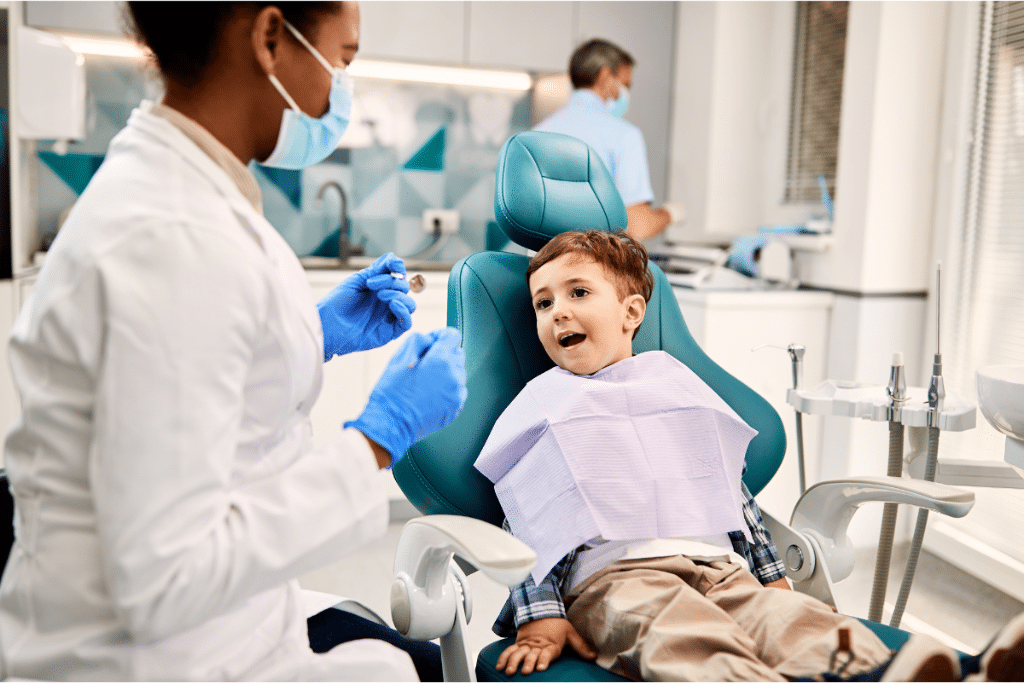
Parents often wonder whether they should start orthodontic care early or wait until their child is older. The answer isn’t the same for every child. Growth patterns, jaw development, habits, and genetics all play a role in determining the right timing. Understanding the differences between early and teen treatment can help you make a confident, informed decision for your child’s smile and long-term oral health.
What Is Early Orthodontic Treatment?
Early orthodontic care often called Phase 1 treatment typically begins between ages 7 and 10. At this stage, a child still has a mix of baby and permanent teeth, which allows orthodontists to guide jaw growth and prevent more serious issues later.
Many parents considering orthodontic treatment in Layton wonder whether starting early can actually reduce treatment time later. In many cases, it can. Early intervention can create space for incoming teeth, correct bite issues, and address habits such as thumb sucking that can affect alignment.
Common goals of early treatment
- Guide jaw growth
- Reduce crowding
- Correct crossbites or underbites
- Lower risk of trauma to protruding teeth
- Improve speech or chewing
What Happens If You Wait Until the Teen Years?
Teen orthodontic treatment usually begins between ages 11 and 15, when most permanent teeth have erupted. This is the traditional time many people associate with braces. Treatment at this stage focuses more on tooth alignment than jaw guidance because major jaw growth has already occurred.
For families considering orthodontic treatment in Layton, waiting can still be a great option if your child doesn’t have severe bite problems or jaw concerns. Many orthodontic issues can be treated efficiently during adolescence when teeth respond well to movement.
Benefits of waiting
- Fewer appliances overall
- Often only one treatment phase
- Greater patient cooperation
- Clear aligner options for teens
Early vs. Teen Treatment: Key Differences at a Glance
Early Treatment Is Best When:
- Jaw growth needs correction
- Teeth are erupting in the wrong position
- There’s a risk of impacted teeth
- Oral habits affect alignment
Teen Treatment Works Well When:
- Alignment is the main concern
- Bite is mostly normal
- No jaw growth issues are present
- Child is ready to commit to care
Why Timing Matters More Than Age
Orthodontic timing isn’t about choosing a specific birthday, it’s about developmental readiness. Some children benefit from early care, while others do perfectly fine waiting until adolescence. A professional evaluation around age 7 allows orthodontists to monitor growth and recommend the best timeline.
Families seeking orthodontic treatment in Layton often appreciate that early evaluations don’t always mean immediate braces. Sometimes the best plan is simply observation, with check-ups every 6–12 months to track development.
Local Factors Parents Should Consider
Every community has its own lifestyle patterns that influence oral health. In Layton, active school schedules, youth sports leagues, and outdoor recreation mean kids benefit from orthodontic plans that fit busy routines. For example:
- Removable aligners can be convenient for student athletes.
- Early bite correction may reduce risk of dental injuries during sports.
- Flexible appointment scheduling helps families balance school and activities.
Choosing the right timing often comes down to how treatment fits your child’s daily life—not just their dental needs.
Signs Your Child Might Need Early Treatment
Watch for these indicators:
- Difficulty biting or chewing
- Mouth breathing
- Early or late loss of baby teeth
- Crowded or blocked-out teeth
- Jaws that shift or make sounds
- Teeth that stick out noticeably
If you notice any of these, an orthodontic evaluation can determine whether early intervention is helpful or if monitoring is enough.
Signs Waiting May Be Perfectly Fine
Not every child needs early care. You might safely wait if:
- Teeth are erupting normally
- Bite looks balanced
- No jaw growth concerns exist
- There’s adequate spacing
In these cases, orthodontic treatment during the teen years is often just as effective and may be simpler overall.
How Orthodontists Decide the Right Timing
Orthodontists use several tools to evaluate timing:
- Digital scans and X-rays
- Bite analysis
- Jaw growth assessment
- Facial symmetry evaluation
These diagnostics help determine whether treatment now will prevent complications later or whether waiting will achieve the same results more efficiently.
The Bottom Line for Parents
There’s no universal “best age” for orthodontic treatment. The right timing depends on your child’s growth, bite, and dental development. Early care can prevent serious issues and guide jaw growth, while waiting until the teen years can be efficient for straightforward alignment needs. The key is an evaluation at the right stage not guessing based on age alone.
Ready to Find Out What’s Best for Your Child?
A personalized consultation is the most reliable way to determine whether your child should start treatment now or later. The experienced team at Cameron Orthodontics provides customized care plans designed around each child’s growth, lifestyle, and smile goals.
Schedule an appointment today and take the first step toward confident, healthy smiles.