
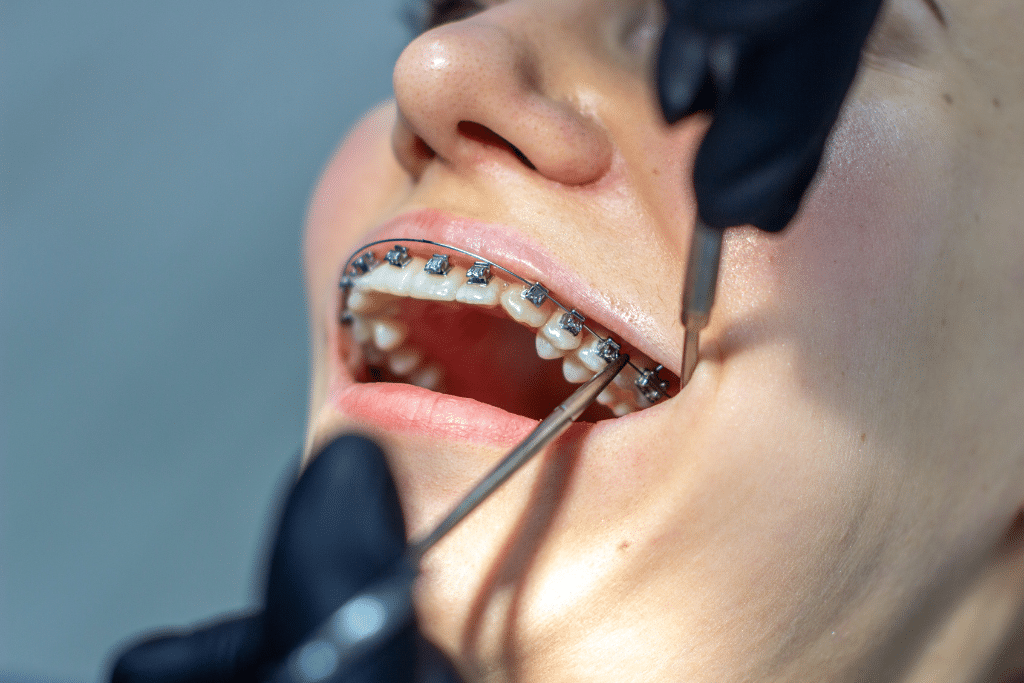
You finally got your braces off. You expected a perfectly straight smile but instead, you’re noticing shifting, uneven alignment, or teeth that just don’t look right. If that sounds familiar, you’re not alone. Many patients experience changes after treatment when their results don’t hold the way they expected.
The truth is, braces are incredibly effective but they’re only one part of the process. Long-term results depend on several factors, from retention to biology. Many patients start searching for an orthodontist near me in West Point after treatment because their results didn’t hold the way they expected. Understanding the “why” behind it is the first step toward fixing it.
Why Teeth Can Become Crooked Again After Braces
Even after months or years of treatment, teeth can shift. Here’s what’s really going on:
1. You Didn’t Wear Your Retainer Consistently
This is the #1 reason. After braces, your teeth aren’t fully “set” in place yet. The surrounding bone and ligaments need time to stabilize. Without a retainer, your teeth naturally drift back toward their original positions.
2. Natural Aging and Tooth Movement
Teeth continue to move throughout your life. Even people who never had braces can develop crowding over time. This is especially common in adults and often affects the lower front teeth.
3. Incomplete or Limited Treatment
In some cases, braces may have improved alignment but didn’t fully correct underlying bite issues. If the root cause wasn’t addressed, shifting can happen sooner than expected.
4. Bite Problems (Malocclusion)
If your bite isn’t properly aligned like overbite, underbite, or crossbite it can put uneven pressure on your teeth. Over time, this can cause them to move out of alignment again.
5. Wisdom Teeth Pressure
While debated, emerging wisdom teeth can sometimes contribute to crowding, especially if there’s limited space in your jaw.
6. Lifestyle Habits
Grinding your teeth (bruxism), nail biting, or even tongue thrusting can slowly shift teeth out of position.
Signs Your Teeth Are Shifting After Braces
You might not notice it right away. Watch for these subtle signs:
- Your retainer feels tight or doesn’t fit anymore
- Teeth look slightly rotated or uneven
- New gaps or crowding appear
- Your bite feels “off” when chewing
If you’re noticing any of these, it’s time to consult an orthodontist near me in West Point before the issue gets worse.
How to Fix Crooked Teeth After Braces
The good news? You’re not stuck with imperfect results. There are effective solutions depending on your situation.
Retainers (Adjustment or Replacement)
If shifting is minor, a new or adjusted retainer may be enough to guide your teeth back into place.
Invisalign or Clear Aligners
For mild to moderate relapse, clear aligners are often the most popular solution. They’re discreet, comfortable, and ideal for adults who don’t want braces again.
Limited Braces (Short-Term Treatment)
Sometimes, a short course of braces often called “touch-up treatment” can correct specific alignment issues quickly.
Bite Correction Treatment
If the problem is related to your bite, your orthodontist may recommend a more comprehensive approach to ensure long-term stability.
Why This Happens More Often Than You Think
In communities like West Point, where people lead active, busy lives whether commuting to nearby cities like Layton or Ogden, or managing family schedules, retainer wear often slips through the cracks. It’s not unusual for patients to prioritize convenience over consistency.
But orthodontic care doesn’t end when braces come off. Maintenance is just as important as the treatment itself.
How to Prevent Teeth from Shifting Again
Preventing relapse is simple but it requires consistency:
- Wear your retainer exactly as prescribed
- Replace worn or damaged retainers promptly
- Schedule regular orthodontic check-ups
- Address grinding or bite issues early
If you’ve already experienced shifting, don’t wait. The sooner you act, the easier (and more affordable) the fix.
When Should You See an Orthodontist Again?
If your teeth have moved even slightly, it’s worth getting evaluated. Many patients in West Point assume they need full braces again but often, that’s not the case.
A quick consultation can determine whether you need minor adjustments or a more structured plan. Searching for an orthodontist near me in West Point early can save you time, money, and frustration.
Local Insight: Why Follow-Up Care Matters in West Point
West Point families value efficiency and long-term results. Whether you’re a student, a working professional, or a parent managing multiple schedules, orthodontic relapse can feel like a setback.
But here’s the reality: follow-up care is part of the journey not a failure.
With access to modern orthodontic solutions and experienced providers nearby, correcting post-braces issues is easier than ever.
Take the Next Step Toward a Straight Smile
If your teeth aren’t as straight as they should be after braces, you’re not alone and you’re not out of options. The key is acting early and working with a trusted provider who understands your needs.
At Cameron Orthodontics in West Point, we specialize in correcting post-braces issues with personalized, modern solutions designed for lasting results. Whether you need a quick adjustment or a complete refinement, our team is here to help.
Book your consultation today and get your teeth back on track with confidence.