
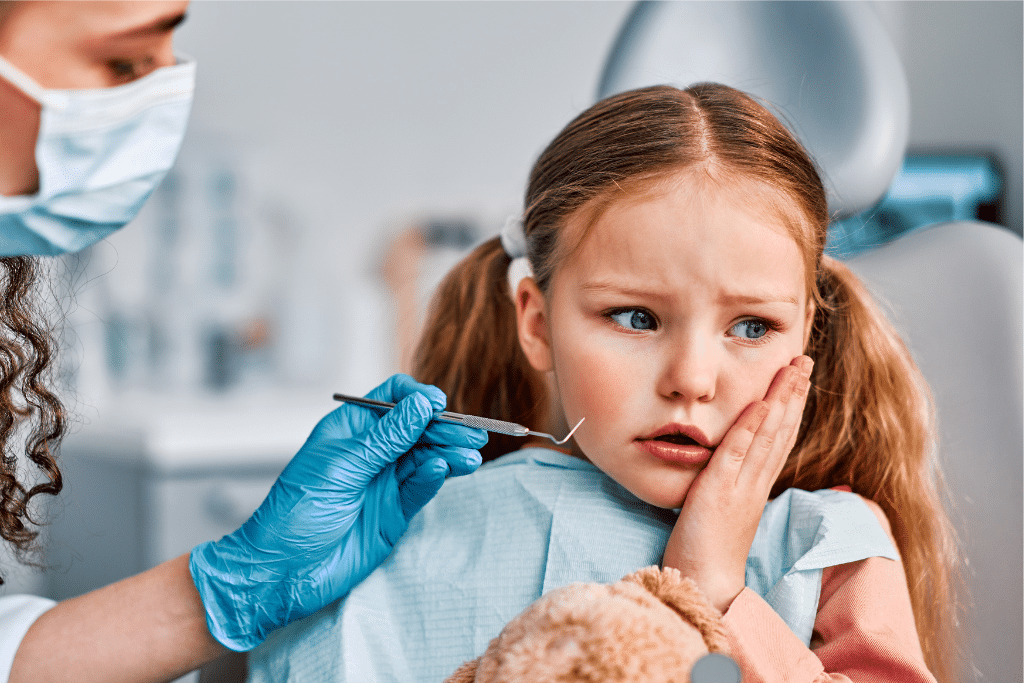
If you’ve ever wondered whether your child’s smile is developing the “right” way, you’re not alone. Many parents in Layton notice early signs of crowded teeth, mouth breathing, difficulty chewing, or even snoring at night and aren’t sure if these are just phases or something more. The truth is, children’s mouths grow rapidly, and that growth creates a valuable window of opportunity. Early orthodontic care focuses on guiding development, not just straightening teeth.
Treating certain orthodontic concerns early can reduce complications later, make future treatment simpler, and support overall health not just appearance.
Why Early Evaluation Matters
By around age seven, a child’s jaw, bite, and incoming adult teeth reveal patterns that orthodontists can evaluate. This doesn’t mean every child needs braces right away. Instead, it allows problems to be identified while growth can still be guided naturally.
For families seeking kids orthodontic treatment in Layton, early assessment often means fewer surprises during the teenage years and a more predictable plan for long-term dental health.
Common Orthodontic Problems That Can Be Treated Early
Early orthodontic treatment often called interceptive or Phase One care addresses underlying issues before they become more complex. Here are some of the most common concerns that respond well to early intervention.
Jaw Growth Issues
Some children’s upper and lower jaws don’t grow at the same pace. This can lead to underbites, overbites, or crossbites. Early care can:
- Correct and guide jaw growth
- Improve facial balance
- Reduce strain on jaw joints as your child grows
Guiding jaw development early can also help improve the way lips meet together, which supports speech clarity and facial harmony.
Crowding and Spacing Problems
When adult teeth don’t have enough room to erupt properly, crowding occurs. Early expansion or guidance can:
- Create space for incoming teeth
- Prevent future adult teeth extractions
- Reduce the need for more aggressive treatment later
This is especially helpful in growing communities like Layton, where many families want proactive solutions rather than waiting for problems to worsen.
Narrow Palate (Upper Jaw)
A narrow palate can affect breathing, bite alignment, and even sleep quality. Early orthodontic appliances can:
- Correct narrow palate
- Improve airflow through the nose
- Support balanced facial development
Children with a narrow upper jaw often breathe through their mouth, which can affect focus, sleep, and energy levels.
Bite Problems That Cause Tooth Wear
Misaligned bites can cause teeth to hit incorrectly, leading to premature damage. Early treatment can:
- Prevent tooth wear
- Protect enamel from uneven pressure
- Support healthier chewing patterns
Addressing this early helps preserve natural tooth structure well into adulthood.
Grinding and Clenching
Many parents are surprised to learn that grinding isn’t just a stress habit it’s often linked to bite imbalance. Early orthodontic care can:
- Address grinding
- Reduce jaw muscle tension
- Protect developing teeth from damage
This can also ease headaches or jaw discomfort some children experience but don’t always verbalize.
Breathing, Snoring, and Sleep Concerns
Orthodontic development is closely tied to airway health. In some children, early treatment may:
- Help with snoring
- Help with sleep apnea
- Support better nighttime breathing
By improving jaw position and palate width, orthodontic care can play a supportive role in overall sleep quality.
Signs Parents in Layton Should Watch For
If you’re unsure whether your child might benefit from an early evaluation, watch for these common signs:
- Early or late loss of baby teeth
- Difficulty chewing or biting
- Mouth breathing or frequent snoring
- Teeth that don’t touch properly
- Jaw shifting or clicking
- Speech issues related to bite or tooth position
Catching these early often makes kids orthodontic treatment in Layton more efficient and less stressful for both children and parents.
What Early Treatment Is and What It Isn’t
Early orthodontic treatment doesn’t always mean braces. It may involve expanders, space maintainers, or growth-guiding appliances. In many cases, it simply means monitoring growth at the right intervals.
The goal is not to rush treatment, but to time it correctly using growth to your child’s advantage.
Why Local Families Choose Early Orthodontic Care
Layton families value proactive healthcare, and orthodontics is no different. With active kids, school schedules, and sports commitments, early treatment can:
- Shorten overall treatment time later
- Reduce complexity during the teen years
- Support confidence during key developmental stages
Choosing a local practice also means care that understands the community, schools, and family lifestyles unique to the Layton area.
Looking Ahead With Confidence
Early orthodontic care is about setting the foundation for lifelong oral health. By addressing issues like jaw growth, bite alignment, breathing, and spacing early, children can grow with healthier smiles and fewer interventions later.
If you’re considering kids orthodontic treatment in Layton, a professional evaluation can provide clarity and peace of mind without committing to unnecessary treatment.
At Cameron Orthodontics, our focus is on thoughtful, personalized care that grows with your child. Scheduling an appointment is the first step toward understanding your child’s needs and planning confidently for the future.