
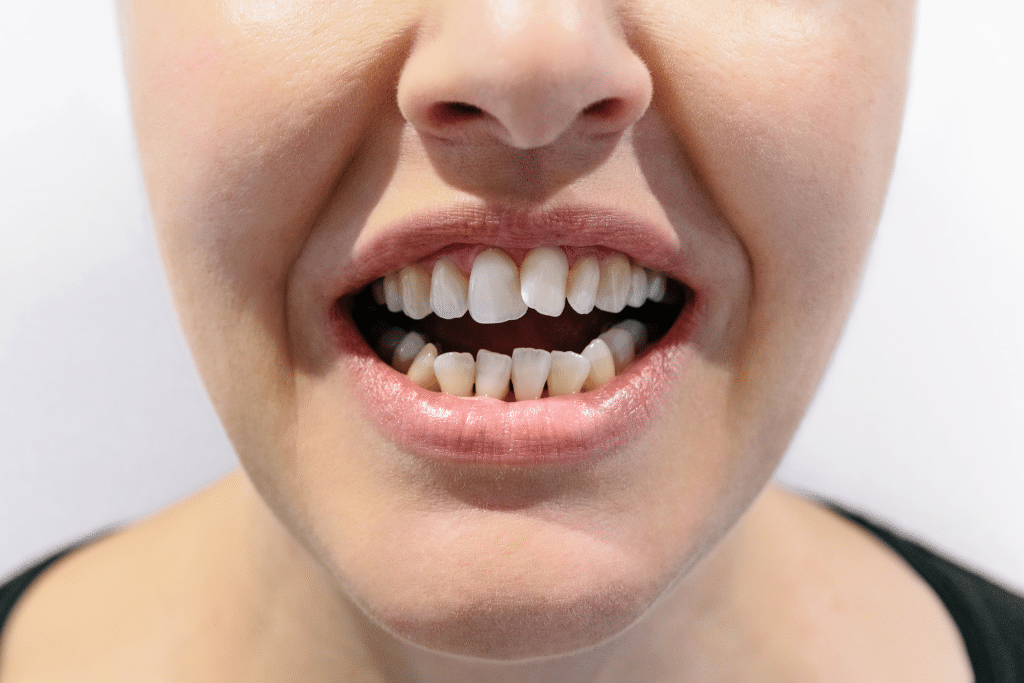
An overbite is one of the most common orthodontic issues, yet many people put off treatment because it doesn’t always seem urgent. While a mild overbite may not cause immediate discomfort, delaying treatment can lead to a range of oral health complications that become more difficult and costly to correct over time. Whether you’re a parent considering treatment for your child or an adult wondering if it’s too late, understanding the risks of postponing care is important.
In communities like Layton, where families stay active year-round and value long-term health, addressing orthodontic concerns early can help prevent future dental problems. Modern Orthodontic Treatment offers more options than ever before, making it easier to correct bite issues before they affect your overall oral health.
Understanding What an Overbite Is
An overbite occurs when the upper front teeth significantly overlap the lower front teeth. A slight overlap is normal, but excessive overlap can create problems with tooth wear, jaw function, and appearance. Overbites may develop due to genetics, childhood habits such as thumb-sucking, jaw growth patterns, or prolonged pacifier use.
Many patients don’t realize they have an overbite until symptoms begin affecting their daily lives. That’s why regular evaluations with an orthodontist in Layton are essential for identifying problems before they worsen.
Why Delaying Overbite Treatment Can Be Risky
One of the biggest misconceptions about overbites is that they are purely cosmetic. In reality, bite alignment plays a significant role in how your teeth, jaw joints, and facial muscles function.
When an overbite is left untreated for years, several complications can develop.
Increased Tooth Wear and Damage
When teeth do not align properly, they often experience uneven pressure during chewing. Over time, this can wear down enamel faster than normal. As enamel becomes thinner, teeth become more vulnerable to sensitivity, cracks, and fractures.
Patients who postpone treatment often discover that the cost of repairing damaged teeth eventually exceeds what early orthodontic care would have required.
Jaw Pain and TMJ Problems
An untreated overbite can place excessive strain on the temporomandibular joints (TMJ), which connect the jaw to the skull. This added pressure may contribute to:
- Jaw soreness
- Clicking or popping sounds
- Difficulty chewing
- Facial muscle tension
- Chronic headaches
Many adults are surprised to learn that their recurring jaw discomfort is linked to a bite issue that developed years earlier.
Greater Risk of Gum Problems
Misaligned teeth are often harder to clean effectively. Food particles and plaque can accumulate in areas that are difficult to reach with normal brushing and flossing. As a result, patients may experience increased inflammation, gum disease, and bone loss around affected teeth.
Correcting bite alignment can make daily oral hygiene more effective and support long-term periodontal health.
Speech and Functional Difficulties
Severe overbites may interfere with proper tongue placement and speech patterns. Some patients notice challenges pronouncing certain sounds or speaking clearly in professional and social situations.
Chewing efficiency can also be reduced. When teeth don’t come together properly, the digestive process begins with less effective food breakdown, which may affect comfort during meals.
These functional concerns often become more noticeable as patients age.
Overbites Can Become More Difficult to Treat
One of the most important reasons not to delay treatment is that orthodontic correction is generally more predictable during childhood and adolescence. As the jaw develops, orthodontists can guide growth and improve bite relationships more efficiently.
That doesn’t mean adults cannot benefit from treatment. Adults successfully correct overbites every day. However, waiting may mean more complex treatment plans, longer treatment times, or additional procedures that might have been avoided earlier.
A consultation with a qualified Layton orthodontist can determine the most effective approach based on your age and severity of the condition.
The Impact on Facial Appearance
An overbite doesn’t only affect teeth. It can also influence facial balance and profile appearance.
In some cases, a pronounced overbite may contribute to:
- A recessed chin appearance
- Increased prominence of upper teeth
- Lip strain when closing the mouth
- Changes in facial symmetry
Many patients seek treatment for health reasons and later discover improvements in overall facial harmony as an added benefit.
Why Early Evaluation Matters for Children
The American Association of Orthodontists recommends an initial orthodontic evaluation around age seven. At this stage, many bite issues can be identified before they become more severe.
Families throughout Layton often prioritize preventive healthcare, and orthodontic evaluations are an important part of that approach. Early assessments don’t always mean immediate treatment, but they allow orthodontists to monitor growth and recommend intervention when appropriate.
Parents who address bite concerns early may help their children avoid more extensive treatment later.
Modern Treatment Options for Overbites
Today’s orthodontic solutions are more comfortable and discreet than many people expect.
Depending on the severity of the overbite, treatment may include:
- Traditional braces
- Clear aligners
- Growth-modification appliances for children
- Retainers and bite-correction devices
An experienced orthodontist in Layton can evaluate your bite and recommend a personalized treatment plan designed to achieve stable, long-term results.
Living in Layton and Maintaining Long-Term Oral Health
Layton’s growing community values active lifestyles, family wellness, and preventive healthcare. Whether you’re spending weekends at Adams Canyon Trail, attending events near Layton Commons Park, or supporting local schools and community activities, maintaining healthy teeth and jaw function contributes to everyday comfort and confidence.
Addressing an overbite before complications develop helps protect both your oral health and quality of life.
The Bottom Line
Waiting too long to correct an overbite can lead to tooth wear, jaw discomfort, gum problems, speech issues, and more complicated treatment needs. The earlier a bite problem is identified, the more options may be available for effective correction.
If you’ve noticed signs of an overbite or have questions about your child’s bite development, scheduling an evaluation with a trusted Layton orthodontist can provide valuable insight into your treatment options. Early action can help prevent future complications and support healthier teeth, gums, and jaw function for years to come.
At Cameron Orthodontics, our team is committed to helping patients achieve healthier bite alignment through personalized care and advanced treatment solutions. If you’re looking for an experienced orthodontist in Layton, contact Cameron Orthodontics today to schedule a consultation and learn how overbite correction can improve your long-term oral health.