
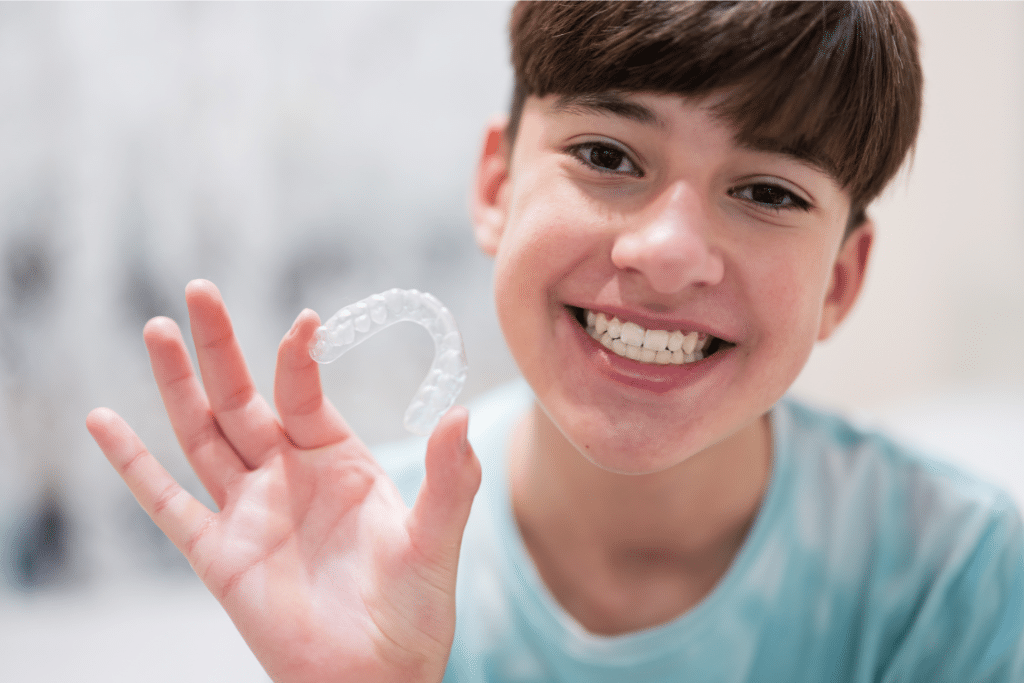
You did the research, attended the consultation, and made the investment. Your teenager walked out of the orthodontist’s office excited about clear aligners, no metal, no wires, no embarrassment at school. But a few months in, the results aren’t quite what you expected. Sound familiar?
Invisalign Teen is genuinely one of the most effective orthodontic tools available today, but it’s not foolproof. In our experience working with families right here in Westchester County, the treatment stumbles for predictable reasons and almost all of them are preventable.
If you’re considering invisalign teen in West Point or your teen is already mid-treatment, this guide is for you.
The #1 Reason Invisalign Teen Doesn’t Work: Not Wearing the Aligners
Here’s the truth that orthodontists don’t always say loudly enough: Invisalign Teen treatment works only when the aligners are worn as prescribed. That may sound obvious, but it’s where many cases start to go sideways.
Teens are required to wear their aligners for 20 to 22 hours per day. That leaves a two-to-four hour window for eating, drinking anything other than water, and brushing. When that window quietly expands, aligners are left on a lunch tray at school, removed before practice and never put back in, or simply forgotten overnight at treatment stalls.
Unlike braces, which are fixed in place and working around the clock, clear aligners require a level of personal accountability that not every teenager is ready for. That’s not a knock on teens, it’s just the reality of the treatment.
What parents can do: Build a daily habit together, especially in the first few weeks. Some families use a simple app or a reminder on their teen’s phone. Keep a spare case accessible so aligners aren’t left on napkins or tossed in a backpack pocket.
Skipping or Rushing Through Aligner Changes
Each set of aligners is designed to move teeth by a fraction of a millimeter. Move to the next set too soon, and the teeth haven’t had enough time to settle into the new position. Some teens (and honestly, some parents) assume switching early speeds things up. It doesn’t create gaps between the aligner and the teeth, reducing effectiveness and sometimes requiring additional trays to correct.
Stick to the schedule your orthodontist sets, typically every one to two weeks per tray.
Poor Oral Hygiene Leading to Complications
Whether they’re at school, sports practice, or hanging out with friends, teens undergoing Invisalign Teen in West Point treatment need to stay consistent with their oral hygiene routine. Food particles and bacteria can become trapped between the aligners and teeth, and if aligners are put back in without brushing and rinsing, sugars and acids remain sealed against the enamel for hours.
Cavities mid-treatment can halt everything. Some teens need fillings that change the shape of a tooth enough to throw off the aligner fit entirely.
A simple rule: Nothing goes back in the mouth before the teeth are clean. No exceptions.
Missing Appointments
Orthodontic check-ins every six to eight weeks aren’t optional extras they’re how your provider monitors progress and catches problems early. A teen who’s been less than diligent about wear time can often be course-corrected quickly if caught at a regular appointment. Waited three or four months? The treatment plan may need to be rebuilt from scratch.
For busy West Point-area families balancing school, sports, and activities, it’s easy for appointments to slip. Put them on the calendar well in advance and treat them like the non-negotiables they are.
The Aligner Isn’t the Right Fit for the Case
Not every teenage smile is a good candidate for Invisalign in West Point or for Invisalign at all. Complex bite issues, significant rotations, or cases requiring vertical movement of teeth may respond better to traditional braces. A well-trained provider will tell you this upfront. If you weren’t given an honest assessment of whether your teen’s case is a strong fit for clear aligner therapy, that’s worth revisiting.
How West Point Parents Can Set Their Teen Up for Success
Families in this area tend to be organized, goal-oriented, and involved which actually makes a real difference in treatment outcomes. Here’s what the most successful Invisalign Teen cases have in common:
- A candid conversation before starting. Talk honestly with your teen about what the commitment looks like. Not as a lecture, but as a partnership.
- Parental involvement without micromanaging. Check in, but let your teen own the process. Responsibility builds compliance.
- Choosing a provider who communicates clearly. Your orthodontist should explain what success looks like and flag problems early, not just hand over a box of trays.
West Point sits within a region where families have access to excellent orthodontic care. The question isn’t whether good treatment exists nearby, it’s whether the right habits are in place to make it work.
Ready to Find Out If Invisalign Teen Is Right for Your Family?
At Cameron Orthodontics, we work with West Point-area families to create treatment plans that are honest, thorough, and built around how real teenagers actually live. We’ll tell you upfront whether invisalign teen in West Point is the right call for your child’s smile and if it is, we’ll make sure you both have the tools to make it work.
Book a consultation today and let’s talk about what’s possible.